
As businesses strive to optimize their IT resources, effective software licensing is critical. While tools like KMSpico and its variants are often discussed among IT professionals, understanding the implications of using such tools is vital for compliance and operational integrity. This article delves into the challenges posed by unauthorized activation software and outlines strategies for adopting legitimate licensing practices.
Understanding KMSpico and Its Purpose
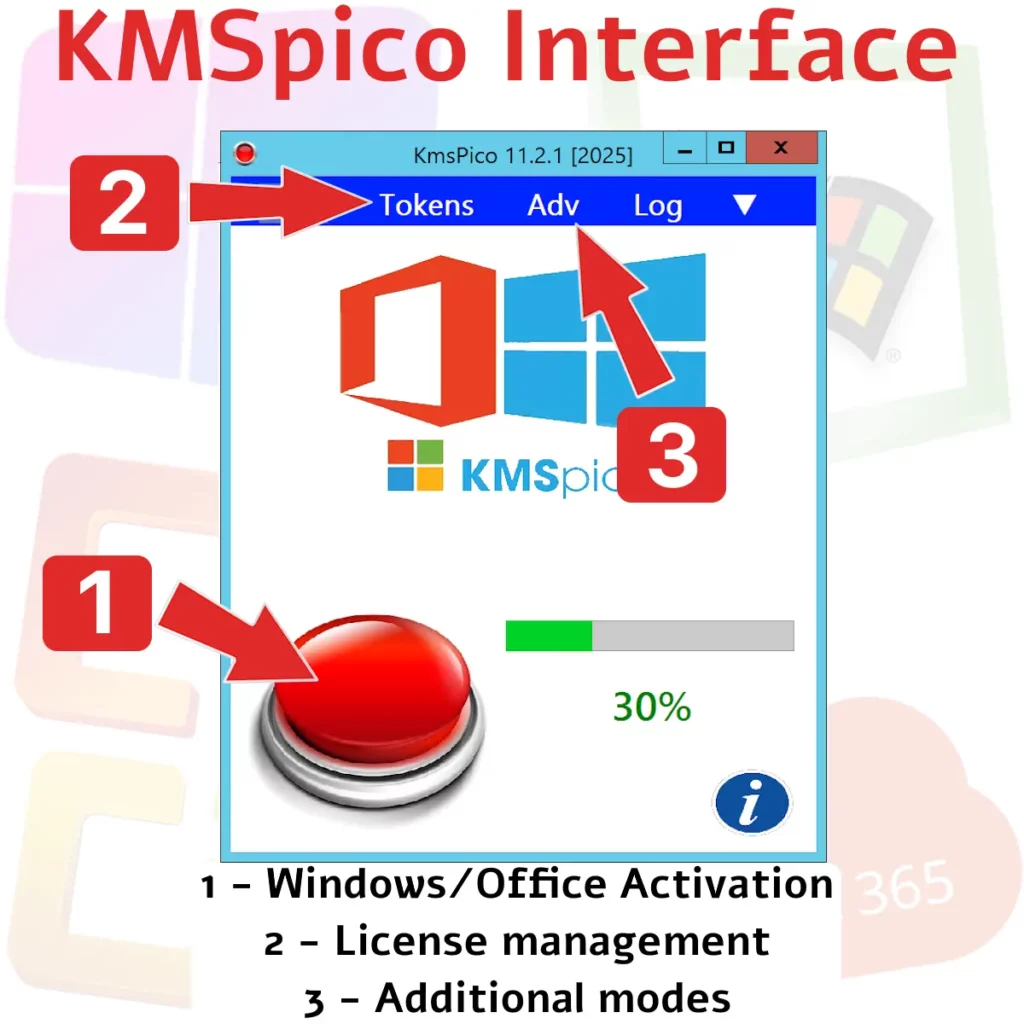
KMSpico is a well-known tool used for activating Microsoft products without an official license. It essentially tricks the software into thinking it has been activated through a legitimate Key Management Service (KMS). Tools like KMSpico are particularly popular because they provide a quick fix to activate Windows 10 or Office 2019 without incurring costs. However, it is important to recognize that while these tools might offer immediate solutions, they come with significant drawbacks that can impact both individual users and organizations in profound ways.
For many, the appeal of KMSpico lies in its ability to bypass the often costly fees associated with purchasing genuine software licenses. This perceived benefit can be tempting, especially for small businesses or individuals operating on tight budgets. Despite this allure, the cost of using such unauthorized methods can ultimately far exceed any initial savings when considering the broader implications related to security and legality.
The Risks of Using KMSpico
While KMSpico might seem beneficial, it introduces significant risks. By bypassing legitimate activation processes, organizations open themselves up to security vulnerabilities and potential legal repercussions. Unauthorized software is also more prone to malware infections, which can compromise sensitive data. Furthermore, these tools often lack the necessary updates that genuine software receives, thereby leaving systems exposed to newly discovered threats and exploits.
Moreover, dependency on such unauthorized tools creates a fragile IT infrastructure. In cases where KMSpico fails or becomes incompatible with newer software versions, organizations may face severe operational disruptions. The lack of formal support further complicates troubleshooting efforts, potentially resulting in prolonged downtime and loss of productivity.
Legal Implications of Using Unauthorized Tools
Using kmspico or any unlicensed activator can lead to severe legal consequences. Companies may face fines that vastly outweigh the costs saved by not purchasing legitimate licenses. Moreover, relying on such tools can harm a company’s reputation if discovered during an audit. Legal battles not only strain financial resources but also divert attention from core business activities.
The reputational damage associated with using illegal software cannot be overstated. Once a company is flagged for non-compliance during an audit or investigation, rebuilding trust with clients and partners becomes a daunting task. In competitive industries where reputation is paramount, such setbacks can significantly affect business relationships and market standing.
Choosing Legitimate Activation Methods
For organizations committed to legality and security, legitimate activation methods are essential. Microsoft offers volume licensing options that provide affordable solutions for large-scale operations. Utilizing genuine KMS servers within the organization is a compliant way to activate Windows 10 or other Microsoft products.
By choosing legitimate methods, businesses not only adhere to legal standards but also gain access to valuable support resources from Microsoft. This includes regular updates that enhance software performance and security features designed to protect data integrity across all platforms.
KMS Activator versus Genuine Licenses
The allure of free activators like Kmspico might be tempting, but genuine licensing provides unmatched benefits. With authenticated licenses, companies receive full support from software providers, ensuring smooth operations and timely updates. Additionally, having a clear record of licensed software simplifies asset management processes and enhances transparency during audits.
The decision between using questionable activators versus investing in genuine licenses often boils down to long-term strategic goals. Genuine licenses foster an environment where innovation thrives under secure conditions; employees can work confidently knowing their tools are reliable and sanctioned by industry standards.
Optimizing IT Environments with Licensed Software
Licensed software ensures compatibility and security across IT environments. It enables IT departments to maintain control over updates and patches, avoiding disruptions typically caused by cracked software failures. Furthermore, seamless integration with other enterprise solutions becomes possible when relying on authorized software versions.
Benefits of Volume Licensing Programs
- Simplified management of licenses across multiple machines.
- Cost-effective pricing structures for large deployments.
- Comprehensive support from Microsoft’s technical teams.
- The ability to customize licensing agreements based on specific organizational needs.
- Access to exclusive features tailored for enterprise-level operations.
Technical Steps for Compliance Checks
An essential part of maintaining compliance is regular audits of software installations within an organization. Utilizing tools such as Windows System Assessment Tool (WinSAT) can help identify unauthorized installations. Conducting these checks requires minimal resources; even a VM with 2 vCPU and 4 GB RAM can efficiently perform these tasks.
Regular compliance checks not only mitigate risks associated with unauthorized usage but also reinforce a culture of accountability within the organization. These practices ensure that every team member understands their role in upholding ethical standards regarding technology use.
Implementing Legitimate Activation Techniques
To replace unauthorized tools like kmspico, it’s crucial to implement genuine activation techniques. For example, using the DISM command-line tool allows administrators to manage Windows updates effectively and ensure that all installations comply with legal standards.
This proactive approach fosters resilience against potential security breaches while empowering IT teams with greater autonomy over system configurations. By leveraging built-in administrative tools wisely, organizations can streamline their processes without resorting to questionable shortcuts offered by illegal activators like KMSpico.
The Importance of Regular Compliance Audits
- Identify unauthorized software before it becomes a liability.
- Avoid disruptions by ensuring precise software activation protocols.
- Sustain organizational integrity through consistent compliance policies.
- Enhance employee awareness about legal obligations related to technology use within professional settings.
- Create detailed reports that inform future decision-making processes regarding technological investments and upgrades.
Conclusion: Long-term Gains from Compliance
While kmspico may offer immediate gratification in terms of cost-saving, the long-term risks far outweigh these short-term gains. By adopting legitimate licensing strategies, organizations not only secure their IT environment against threats but also enhance their operational efficiency through reliable support and seamless updates. Prioritizing compliance is not just about avoiding penalties—it’s about fostering sustainable IT success in today’s competitive digital landscape.
The journey towards embracing compliant practices begins with recognizing the inherent value in doing things the right way from inception—building robust systems capable of weathering future challenges while contributing positively towards overall business objectives without sacrificing ethical principles along this path forward into tomorrow’s ever-evolving technological frontier ahead awaits those who choose wisely now!